Technical articles
-
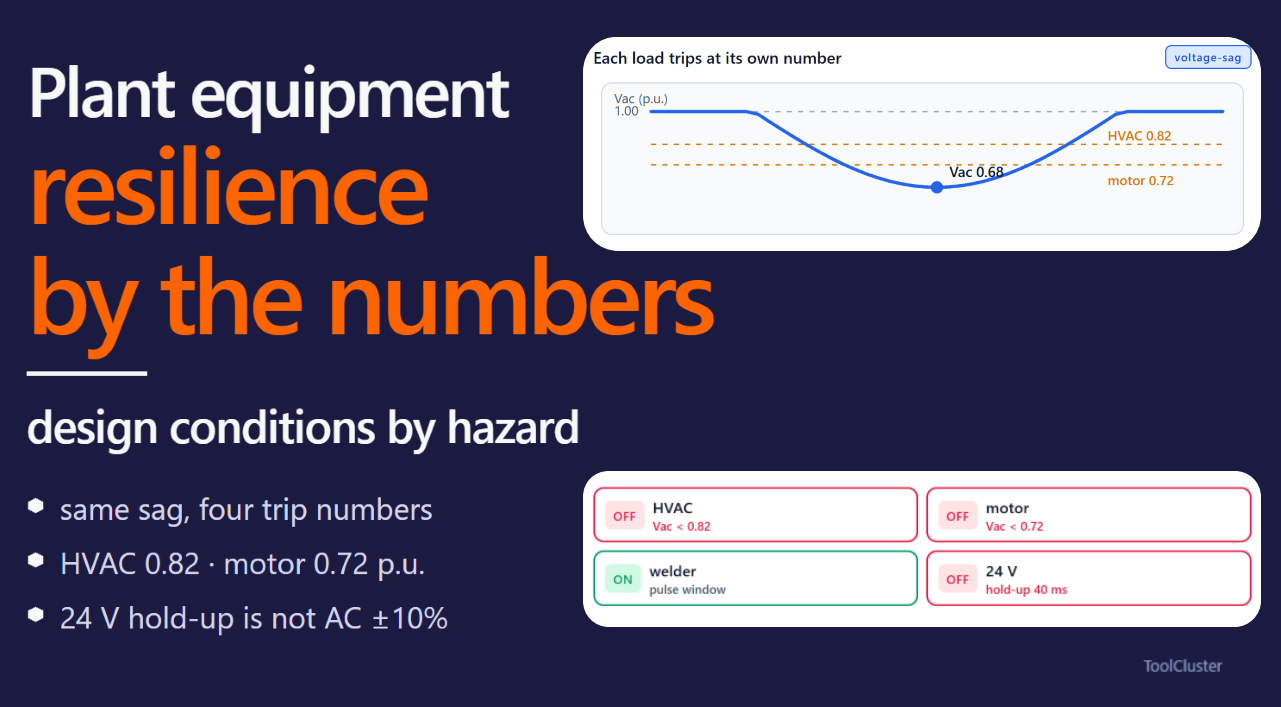
Plant and Equipment Resilience, by the Numbers — Design Conditions by Infrastructure and Hazard
Off-nominal voltage drops PLC 24 V, motors, welders, and HVAC differently. After receiving class, quakes, typhoons, and snow become loads as number conversions.
-
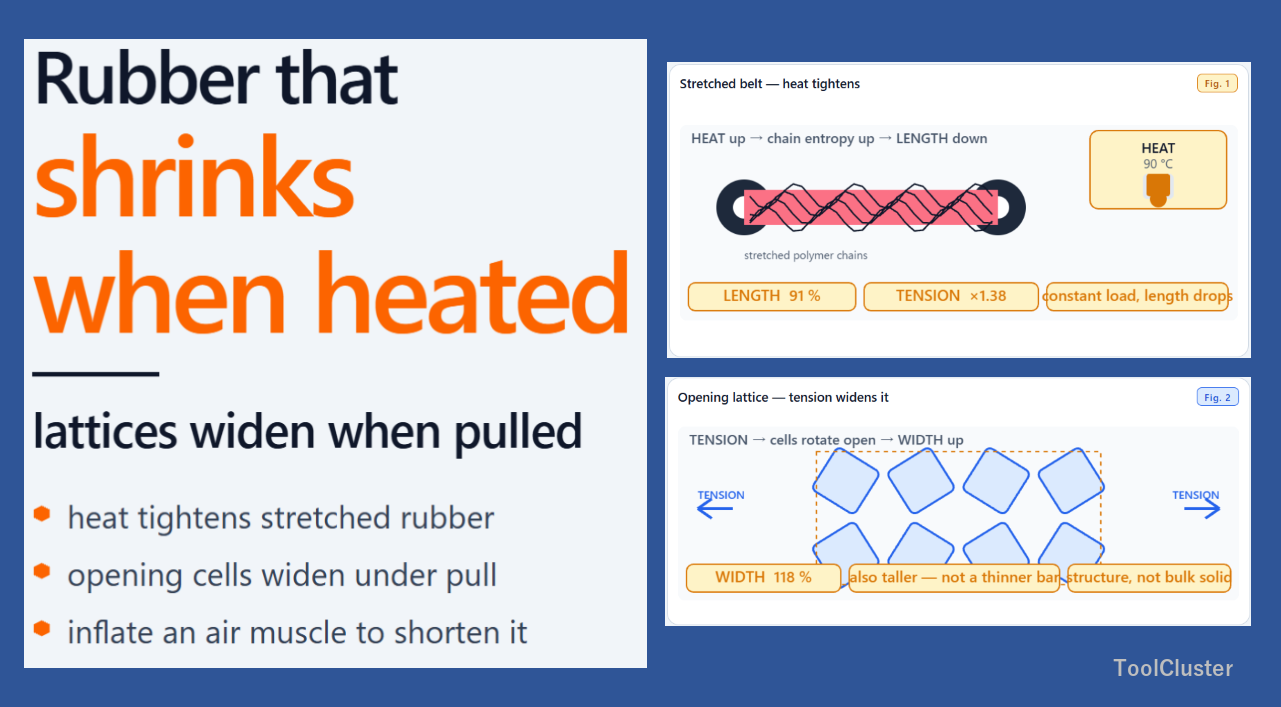
Rubber That Shrinks When Heated, Lattices That Widen When Pulled | Counterintuitive Machines and Structures
A stretched belt shrinks and tightens when heated, and an opening lattice widens when pulled. An air muscle shortens as it inflates, and a preloaded bolt sheds fluctuating load into the joint faces. Four shop parts where heat, geometry, and preload reverse everyday intuition, shown with short live diagrams.
-
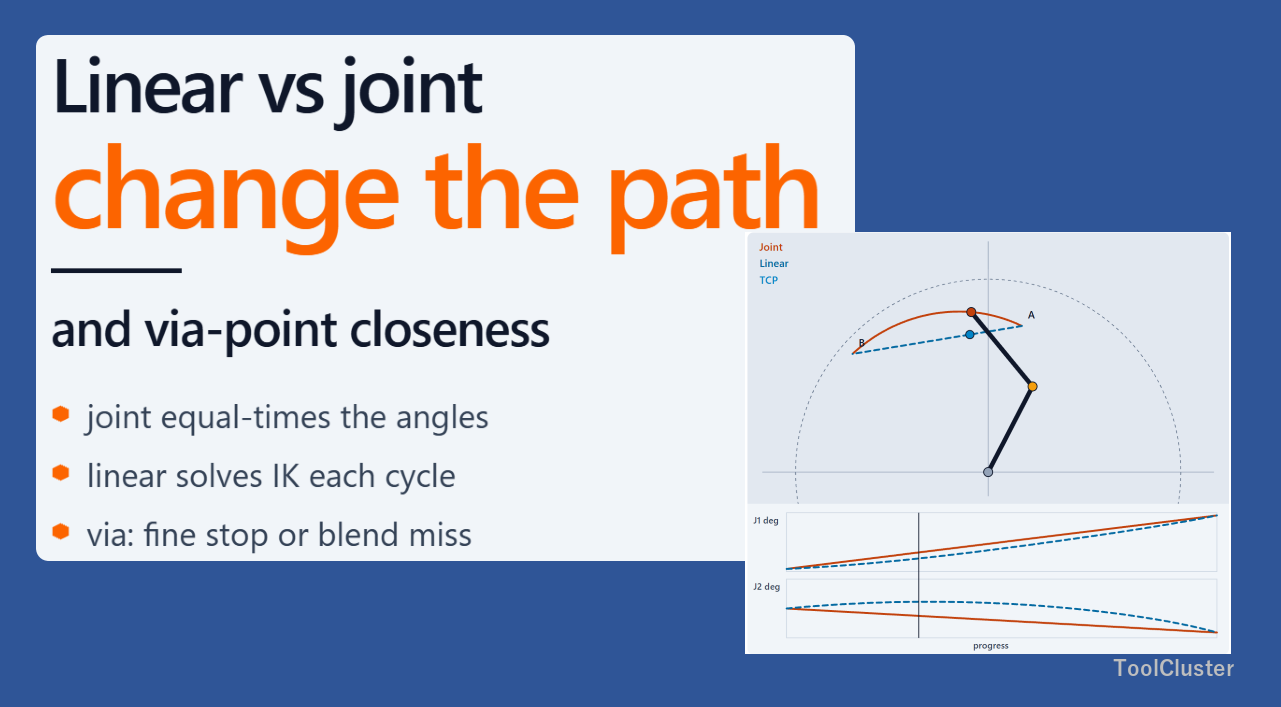
Why TCP Linear and Joint Interpolation Change the Path and Via-Point Closeness — Animated Diagrams
The same two points still give different TCP paths under joint versus linear interpolation. Putting the tool on a straight line means converting back to joint angles every cycle. Speed also cuts path accuracy, and closeness at a via point is fine positioning versus blending. Command names are mapped only…
-
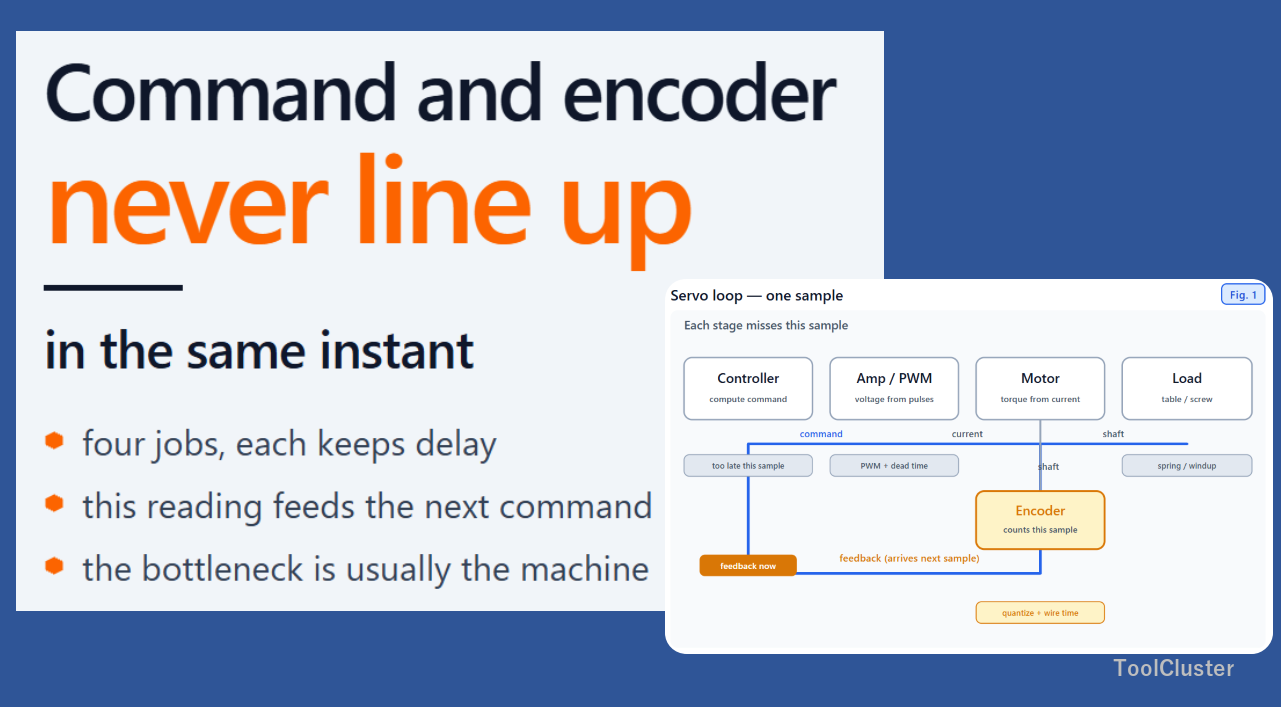
Why Servo Commands and Encoder Feedback Never Line Up in the Same Instant
Servo commands and encoder feedback never line up at the same instant. Delay pools in the compute cycle, PWM, machine flex, and when the reading is taken. Compensation is not perfect sync: feedforward and full-closed loops absorb following error. Figures show where one loop lags and where it is compensated.
-
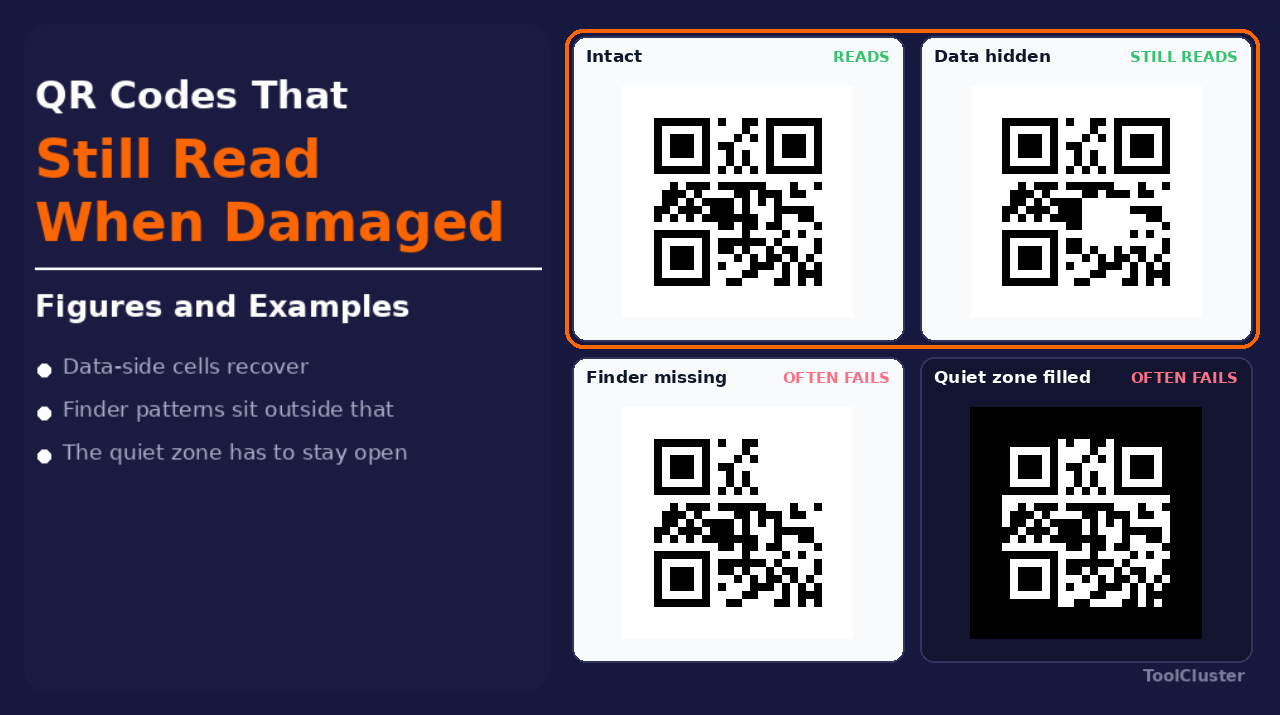
QR Codes That Still Read When Damaged: Figures and Examples
When specifying a nameplate or lot QR, put the reading environment and acceptable damage first. Error correction recovers data-side cells; finder patterns and the quiet zone sit outside that. Figures and a real QR code explain damage-tolerance design.
-
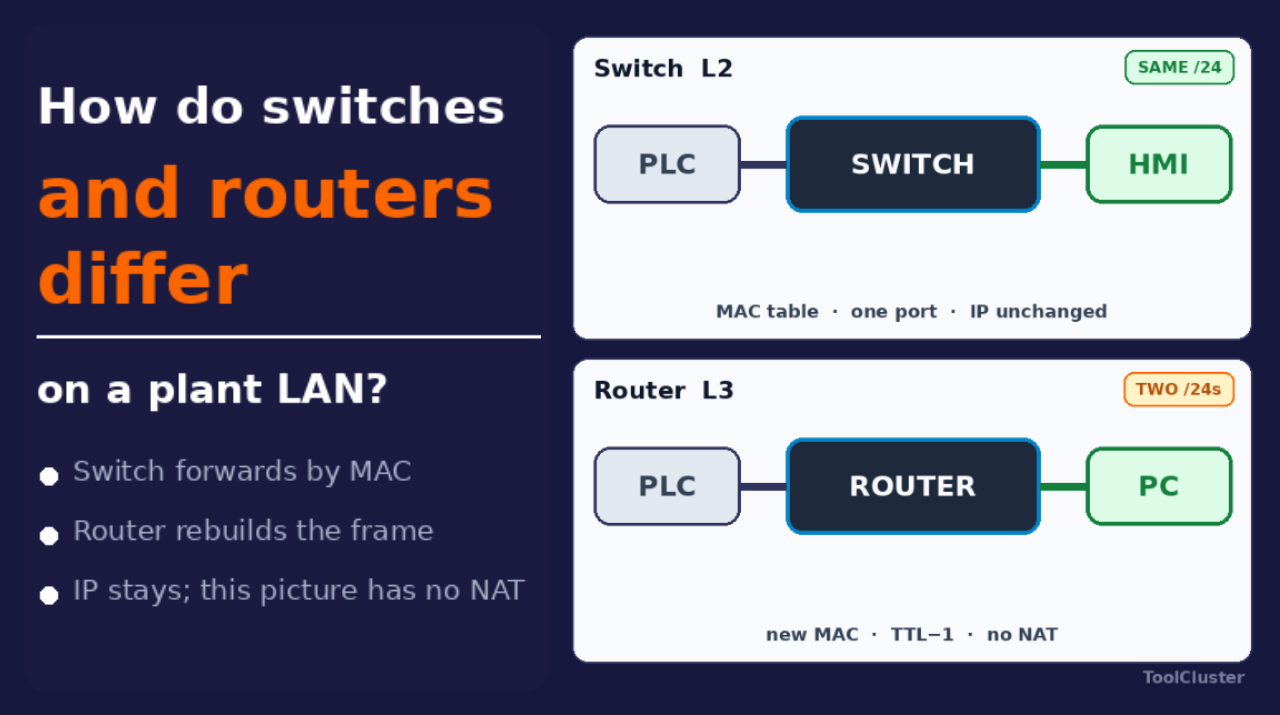
How do switches and routers differ on a plant LAN?
Control cabinets and office racks both look like boxes full of LAN ports. On the plant floor, mixing up the switch that forwards by MAC inside one subnet with the router that rebuilds frames by IP at the boundary can shake cyclic traffic or mix broadcasts. This article sorts L2…
-
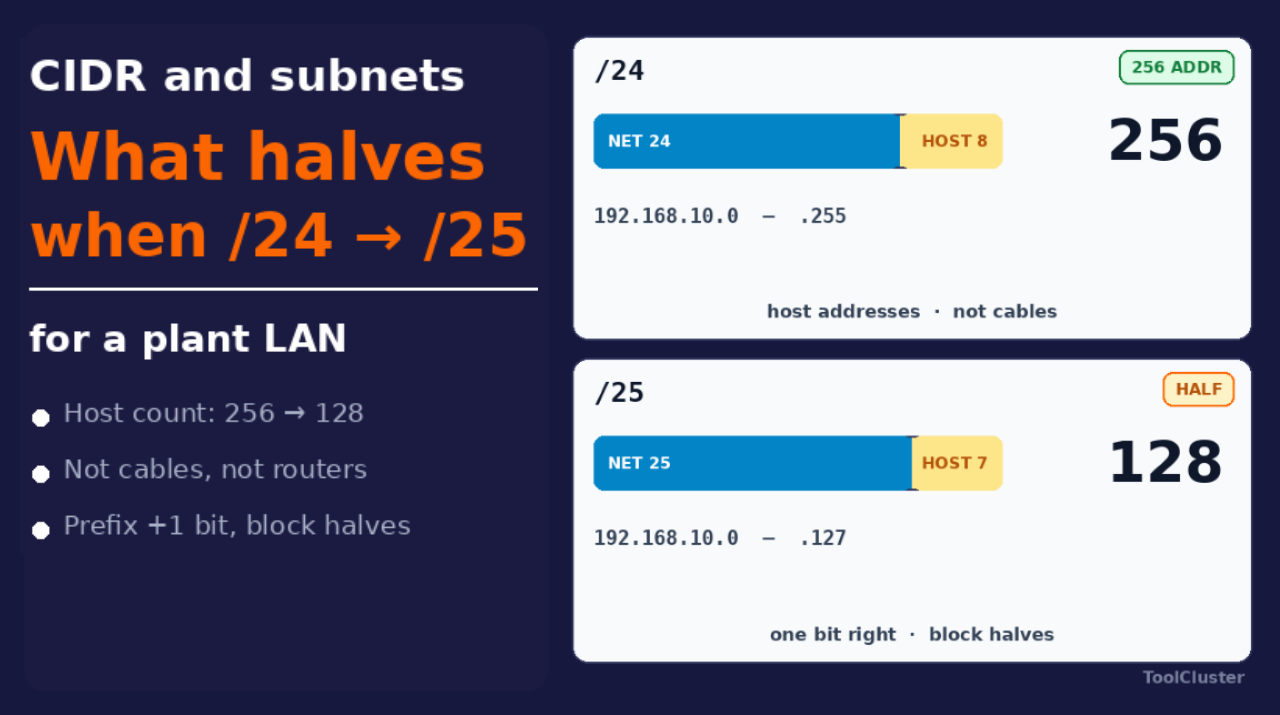
CIDR and Subnets for Plant Networks: What Halves When /24 Becomes /25?
What halves when /24 becomes /25 is the host address count, not the cables. CIDR versus subnet mask, cameras on the same plant LAN as a PLC, and how to size a split — with two figures and the CIDR tool.
-
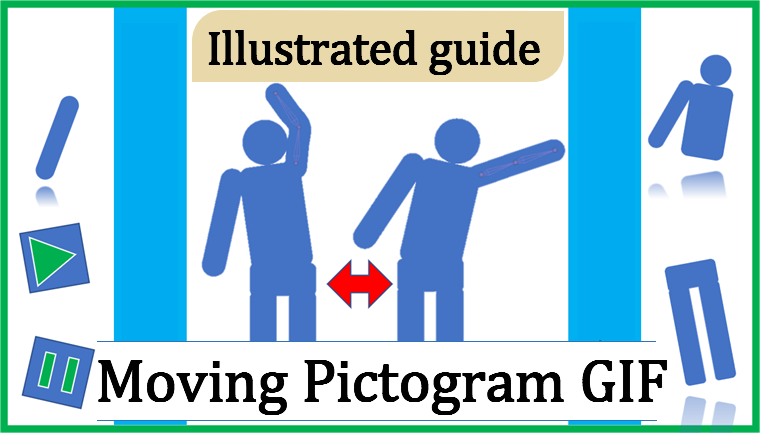
How to Make a Moving Pictogram GIF in AnimeEffects, Explained with Screenshots
Split a pictogram in PowerPoint, add bones in AnimeEffects, and export a waving-arm GIF. Current zips already include FFmpeg; menu names on the screenshots may differ in newer builds.
-
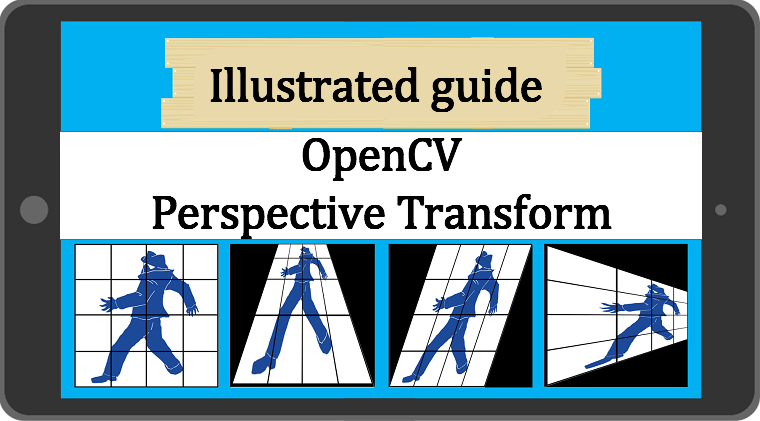
How to Do a Perspective Transform in OpenCV, Explained with Images and Coordinates
Use Python and OpenCV to map an image’s four corners onto four new ones. getPerspectiveTransform builds the matrix; warpPerspective warps the 600×600 grid. The article also shows why a too-small output canvas crops the stretched top.
-
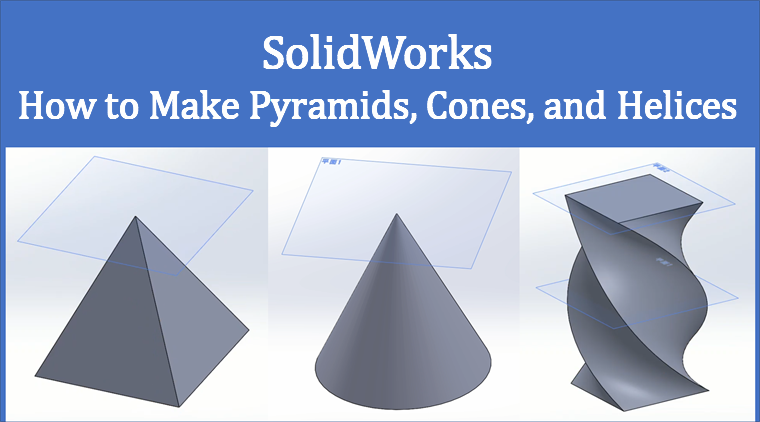
How to Make Pyramids, Cones, and Helices in SolidWorks, Explained with Screenshots
Sketch a base, offset a plane with Reference Geometry, and place a vertex — Loft then makes a pyramid or a cone. Three planes and a rotating click order on the corners make a twisted column. Screenshots are SOLIDWORKS Premium 2017, with English labels on the steps.